
Posts tagged dignity
Identic AI’s Productivity Explosion | Don Tapscott & Joseph Bradley

Imagine a world where the meetings people are required to attend are cut by 90% or more. Instead, leaders are able to spend more time doing higher value work connecting with other people while their “identic” selves go to meetings and do other work on their behalf. Instead of 24 hours in a day, each person can have a limitless number of AI digital twins representing them. Productivity could explode.

Agentic AI - tools that can complete goal-oriented tasks for an individual - are becoming commonly used. However, Identic AI takes productivity to another level. Identic AI tools understand your judgment and values and can independently complete work and make decisions for you.  

In this episode, Joseph Bradley and Don Tapscott - authors of the book “You to the Power of Two: Redefining Human Potential in the Age of Identic AI” - join the show to define what Identic AI is, they explain how these AI identities are being used, and how humans can benefit by having armies of these tools fully representing us while completing work on our behalf. 

The conversation continues with a discussion on how people can more effectively collaborate with AI. Joseph and Don share their ideas on how wealth disparity can be addressed and how meaning and purpose might evolve in an AI-first world.

Joseph and Don argue that the most valuable asset any person will have is their identity. They make a very compelling case to support that argument. No conversation about AI innovation would be complete without exploring the benefits and risks to humanity. 

Don Tapscott has written 19 books and is one of the world’s leading authorities on the impact of technology on business and society. Joseph Bradley is an applied futurist and executive who is shaping the next wave of AI-powered growth and human advancement.

Read More
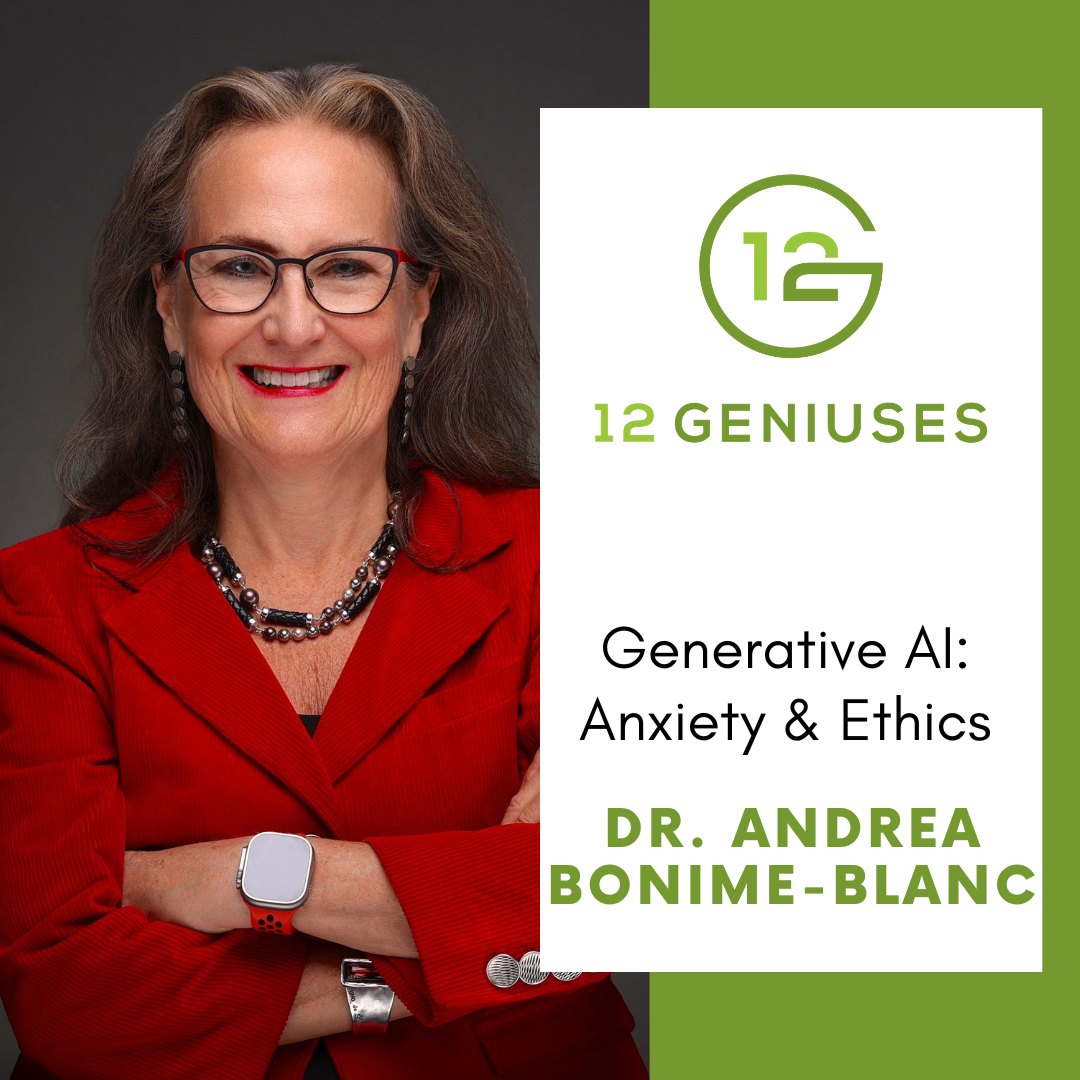
Generative AI: Anxiety & Ethics | Dr. Andrea Bonime-Blanc

In a world where technology is advancing faster than many people can comprehend, anxiety and uncertainty are becoming part of the human experience. Breakthroughs in generative AI, biotechnology, and other emerging technologies are transforming how we live, work, and govern ourselves faster than institutions and individuals can adapt.

In this episode, global ethics expert Dr. Andrea Bonime-Blanc explores the human side of this technological acceleration. She discusses why the rapid rise of artificial intelligence is creating widespread unease, how the nature of work is likely to shift as intelligent machines become more capable, and what leaders should be doing now to prepare their people and organizations for a radically different future.

Andrea also addresses how technologies should be governed when they are evolving much faster than regulation can keep up. From corporate boardrooms to national governments to global institutions, she explains the complex challenges of building ethical frameworks that allow innovation to flourish while protecting society from unintended harm.

The conversation finishes with Andrea’s thoughts on how the same technologies that provoke fear could help solve some of humanity’s most difficult challenges, from healthcare breakthroughs to climate solutions. She shares what gives her hope and she provides advices for how leaders, organizations, and citizens can help ensure that powerful new technologies ultimately serve the human condition rather than undermine it.

Andrea Bonime-Blanc, JD/PhD, is founder and CEO of GEC Risk Advisory, a board member, strategic advisor, and multiple book author. She specializes in the governance of change focusing on global strategic risk, leadership trust, geopolitical change, sustainability, cyber resilience, and exponential tech, advising business, NGOs, and government. Her latest book is “Governing Pandora: Leading in the Age of AI and Exponential Technology.”

Read More
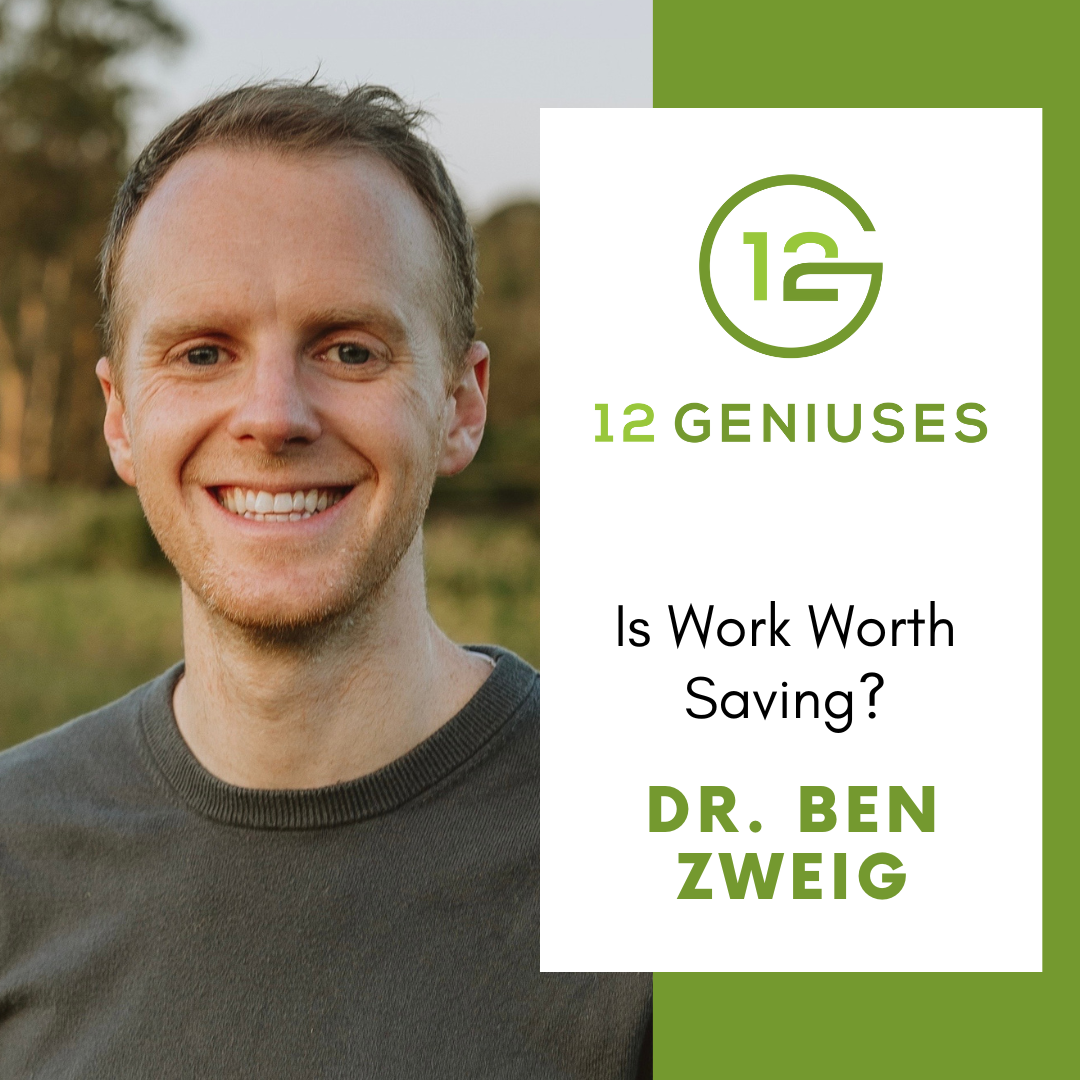
Is Work Worth Saving? | Dr. Ben Zweig

Dr. Ben Zweig joins the podcast from NYU’s Stern School of Business to discuss what is wrong with the world of work and how to fix it. Ben is the author of the book “Job Architecture: Building a Language for Workforce Intelligence,” professor of Economics, and CEO of Revelio Labs. 

In this conversation, Ben discusses the challenges created when a new employee finds out the job they accepted is unlike the work they end up doing after a few months. Ben says this lack of clarity results in pendulum swings between rapid job expansions and mass layoffs. He also discusses how work can be better designed to be a source of dignity and purpose. experience/expectation gap

Ben believes that management is about job reconfiguration in order to keep employees relevant and so those same employees are able to meet current and future needs at their organizations. The interview finishes with a conversation about the future of work, how artificial intelligence will augment every job, and the likelihood AI and robots will be taxed in order to generate revenue to pay for universal basic income.

We also talk about whether work - in an augmented world of robots and AI - should be saved. It’s safe to say that we agree that work should be saved as long as it’s reimagined. 

Dr. Ben Zweig is the CEO of Revelio Labs, a workforce intelligence company that leverages the latest advances in AI research to create a universal HR database from public sources. Ben teaches courses on Data Science and The Future of Work at NYU Stern. His first book is “Job Architecture: Building a Language for Workforce Intelligence.”

Read More
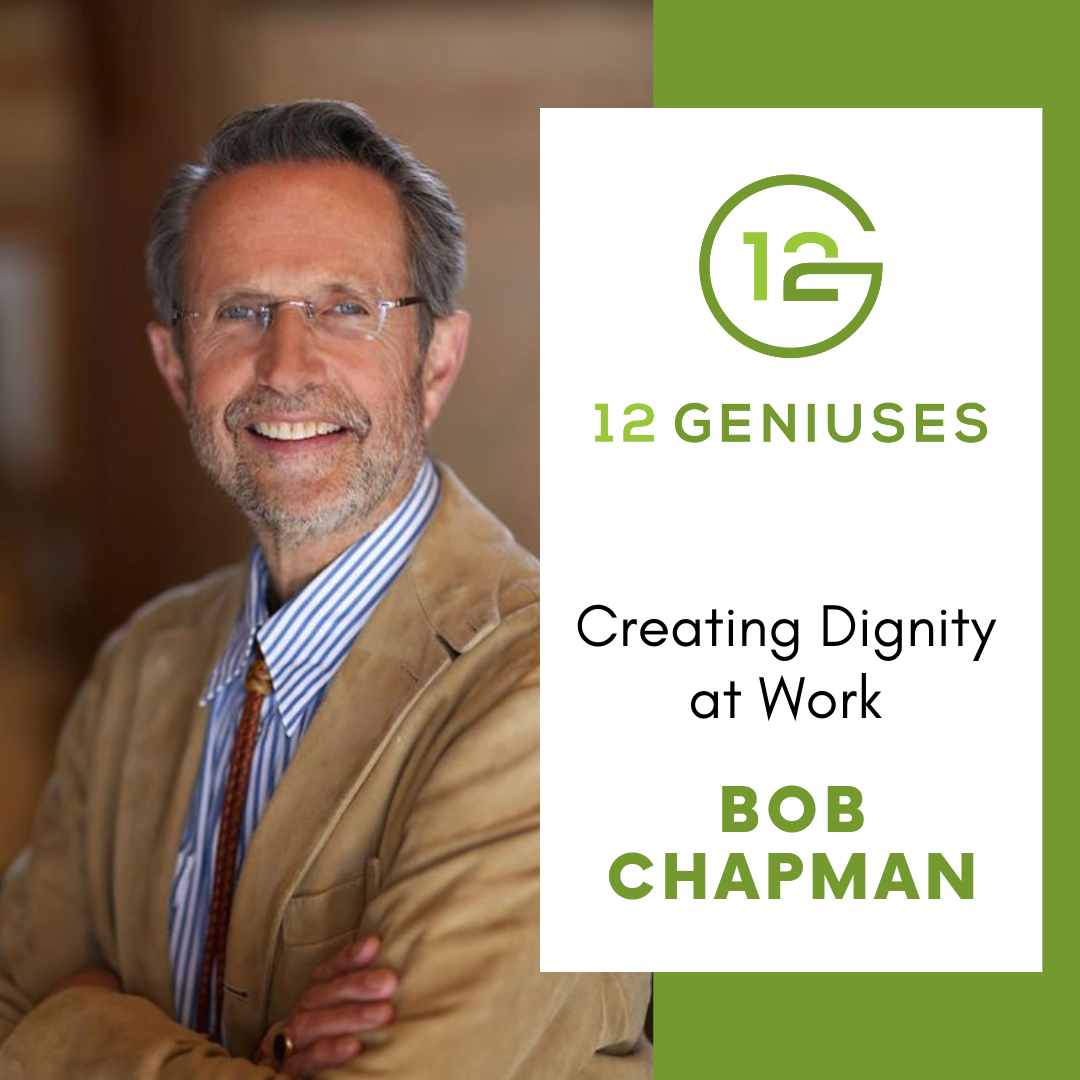
Creating Dignity at Work | Bob Chapman

For 50 years, Bob Chapman was CEO of Barry-Wehmiller until his retirement in 2025. Bob’s approach to organizational culture is unique and inspiring. He believes the workplace should be a source of dignity that enables every team member to flourish. This approach is the subject of Bob’s book “Everybody Matters: The Extraordinary Power of Treating Your People Like Family” and the ethos behind Barry-Wehmiller’s success.

In this interview, Bob and host Don MacPherson discuss what it looks like to have leaders throughout an organization care for their people like members of their own family. They discuss the advantages of creating a culture where people are willing to sacrifice for one another and how to create that culture throughout a multinational organization with thousands of team members.

The interview continues with a conversation about managing poor performance, surviving economic downturns, and Bob shares his thoughts on the ways he believes artificial intelligence will change and enhance organizations around the world.

Recently recognized as a 2025 Top 50 Leadership and Management Expert by Inc., Bob Chapman became the senior executive of Barry-Wehmiller in 1975 at age 30 - a position he held until 2025. In 2022, Chapman was named the Tharseō CEO of the Year by the Society for Human Resource Management (SHRM). He’s been ranked as the #3 CEO in the world in an Inc. article, and a Top 10 Social Capital CEO by International Business Times.

Read More